A drop of fresh blood in this new syringe captures a glint of light. The Rawalpindi sun beats down on the man disposing of his used injecting equipment. In dirty clothes, with disheveled hair and torn shoes, he has returned shortly after trading his old syringe for this new one. Others pass by in this blur of a marketplace, but my gaze is locked on that drop, and I can’t help but be moved.
This is harm reduction in practice, something I studied in lecture halls in Buffalo, NY, and now I’m seeing it play out in real life in the center of Rawalpindi. The fumes from the rickshaws passing us by are a significant departure from the flat screens and podiums I’ve sat across from to learn about drug usage.
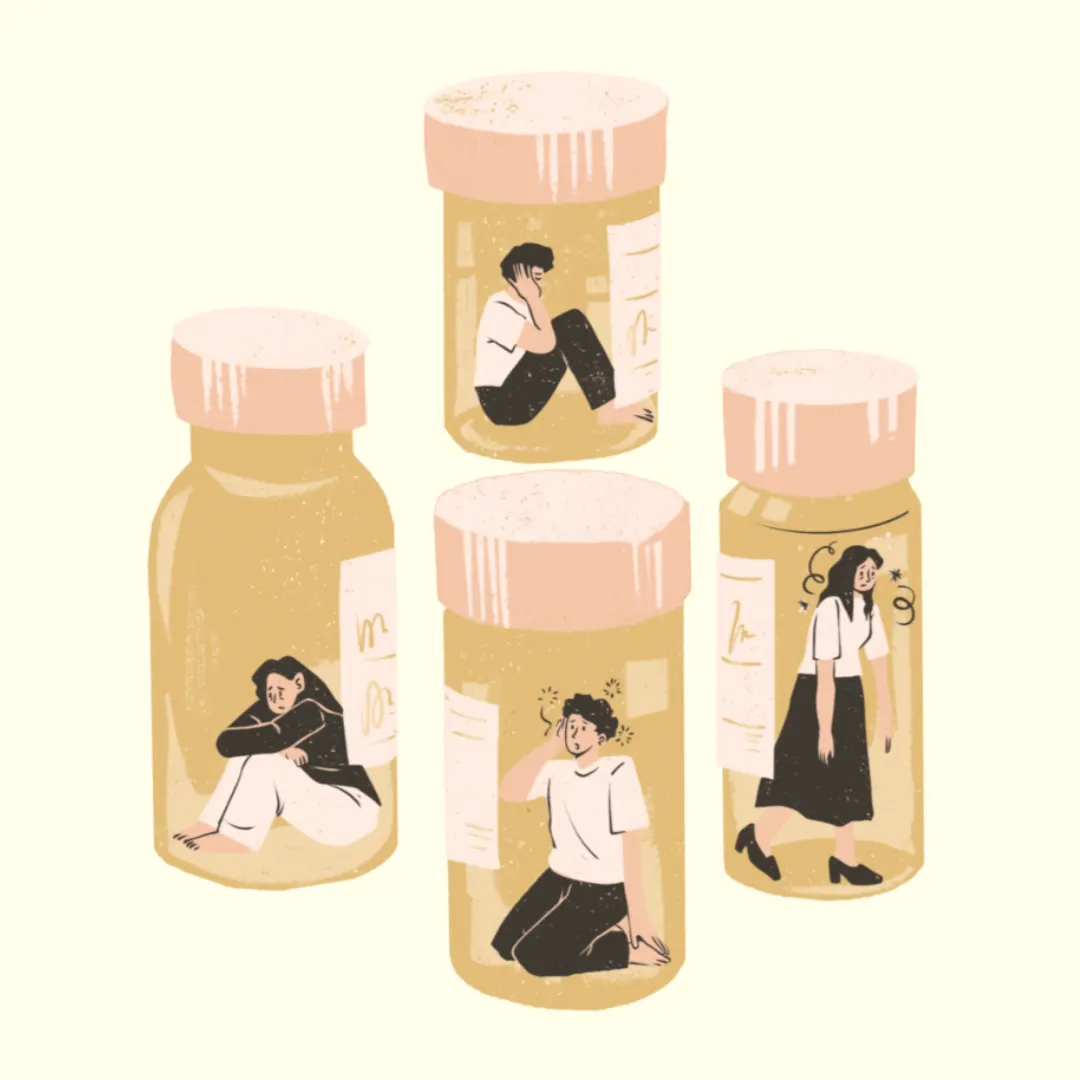
It isn’t my naloxone training, Alcoholics Anonymous observations, critiques of luxury rehabilitation, or substance use counseling knowledge that has made the most impact on me. It is learning about the doctrine of ‘harm reduction’: the philosophy, the movement, the intervention. It teaches me to accept that drug use has had a long history in the Islamicate world and beyond, and that no matter the raids or punishments or forcible detoxification, it’s here to stay. We must approach those who use drugs with kindness and compassion. Harm reduction teaches me to care. And what of the informal ways of care? When no needle and syringe program exists, and you can’t go to a drug consumption site, and you can’t check if your drugs are laced with something lethal, how do you reduce harm beyond formal interventions?
A cannabis seminar teaches me that consuming an edible and proceeding to have a mild freak out may not necessitate an ER visit, merely patience and sleep. I use this information when Jules, a girl from my Buffalo friend group, takes a 10 mg THC gummy and gets high for the first (and last) time. Within the hour, she’s hurled everything she’s ever eaten, plus seemingly half her body weight, into a trash bag. Beth, who’s taken a 5 mg gummy herself, is holding the bag in front of her. I recall what I’ve learned in class and declare there’s no need to go to the hospital, and we must wait it out. Jules is praying and swaying and throwing up all her regrets. She wants to document everything so she knows not to do it again. Ten more hurls, and Jules’s eyes shoot wide open. It’s as if she woke up for the first time all day. Beth heaves a sigh of relief and says she can at least enjoy her own high now.
[Harm reduction] teaches me to accept that drug use has had a long history in the Islamicate world and beyond, and that no matter the raids or punishments or forcible detoxification, it’s here to stay. We must approach those who use drugs with kindness and compassion.
The following morning, after Jules wakes up from ten hours of deep sleep, we decide as a group we’re never giving anything to an anxious friend again. David, who smokes joints regularly, tells Jules it’s her fault for trying a gummy her first time anyway, and she should have smoked instead. He doesn’t need to have attended my cannabis seminar to know this. He’s learned it from experience.
A few months after Jules’s adventure, Samin, who drinks regularly, tries edibles for the first time. I tell her that harm reduction suggests starting low and going slow. She doesn’t need a philosophy; she says Jules’s (mis)adventure already scared her enough to go terribly slow. Lydie, an absolute lightweight, also follows this non-philosophy while hosting a Dungeons and Dragons night at her house. She brings back simple fractions to this group of graduate students, confident in the illusion of precision that math might bring to gummy distribution. She takes a 25 mg THC gummy and starts dividing. She calculates 1/8 of a gummy as enough for her, while her much larger boyfriend, Paul, gets 1/5. The game starts. Lydie is gently rocking, hugging her knees. Paul is nauseous, sweating profusely. They decide Paul is never taking a gummy again.
Clearly, beyond formal knowledge, experience also teaches lessons. These acts of care, of learning, of supporting each other are embedded so deeply in recreational drug use settings, by friends who care and don’t judge. Friends who’ll stay next to you when you’ve almost passed out, or drive you around the city for hours so you sober up before going home, or monitor you while you hurl out the entirety of your bodily contents, and placate you, telling you that you’ll be fine in an hour. But not all friends are quite this considerate, and not all substances are quite so forgiving. Sometimes people don’t want to be told not to drive high.
In Pakistan, where we default to punishment, coercion, and stigma, even providing evidence-based drug education isn’t as clear-cut as it seems.
I certainly couldn’t get this point across in the backseat on the way back from a rave in Lahore. It was my first time, and I couldn’t recall the last time I’d stayed up that late. College students danced around me. After about an hour, my legs gave in. I found a large stone by the garden, sat on it, and waited for the night to dwindle. My friend Hadi had brought me here with three of his other friends, two boys and a girl, so the ratio was balanced, of course. Ihtesham had driven us here, and now, from the jagged edges of this rock poking me and between the fog and the mist and the lights, I could see he was deep into his second joint, dancing away, Hadi and the girls by his side. My observation was disrupted by a boy making a beeline for the grass in front of me; somehow, in the darkness, his hands met a Ziploc. Lifting and waving the bag around, he triumphantly yelled “Mil gayi!” and vanished into the crowd with his ecstasy pill. Four excruciating hours later, I found myself reciting Ayat-ul-Kursi at the speed of light when we headed back to the hostel in the morning, Ihtesham behind the wheel, blazing past Bedian Road, the roads of Lahore stretching endlessly ahead of me.
At the Hasan Raheem concert last month, as I leaned forward to hear better, I caught a whiff of the joint held by a much shorter girl in front of me. At 5’2, saying she was much shorter is fairly significant. I was just standing, but she was being leaned on by her tall, lean, and entirely drunk male friend, trying not to topple over herself. Shimmying, he sang louder than Hasan Raheem on the mic, belting ‘Joona’ fifty feet away. She was tripping on her wedges, trying to keep him steady. Moments later, with the boy presumably to the side, she emerged from the crowd with another boy holding a pink, highly embellished Stanley. The strobe lights reflected off the rhinestones; they matched those on his jeans.
To my left, two girls took tiny sips of tequila from their aluminum water bottle. I had spotted them earlier in the line, sniffing it and trying to see if it was distinct. I got a whiff; it was very distinct. There was no checking, though, so they were just two among many who were drinking or smoking joints around me, Hasan Raheem and the fireworks ablaze.
These girls went slow, and the Stanley cup duo physically lifted their friend. All of them were under the influence, but they hadn’t forgotten the lyrics, and they hadn’t forgotten to care. But there are those who don’t think of care as fundamental. These people will put mushrooms in your chai, and give you far more molly than you’re capable of handling, shutting you up when the emotional effects of the drugs begin to overpower you.
How can we try to stay safe then? What do we even need to know, and how can we know it? There are Reddit threads and websites dedicated to drug information, with no accuracy promised. These websites, and increasingly, even ChatGPT, will tell you how you should proceed with your high, and what to expect. For teenagers and adults alike who don’t know the limits of AI knowledge or the very individual differences that make each drug experience inherently unique, in a context where any wrong step could set you up for punitive consequences or lifelong stigma, learning from each other is often the only way to stay safer. But at what point do you recognize bad advice, stumble upon the right personal use story on Instagram, or get lucky enough to have people lift you and hold your hand when the world spins round and round and round?
Sometimes the substance is injected or snorted. Sometimes this happens on the street, under a bridge, behind a dumpster. How is it that we forget to care then? How is it that we so callously – as if we’re depositing a check – deposit someone in a rehab center that’s charging an arm and a leg as the first and only resort?
Surely, compassion isn’t such a novel idea that it can’t be extended to those who use drugs. Surely, we can extend this same level of care to the man I saw on the streets of Rawalpindi. In Pakistan, where we default to punishment, coercion, and stigma, even providing evidence-based drug education isn’t as clear-cut as it seems.
And merely caring just doesn’t cut it. We can reduce harms associated with drug use by reducing our judgment and increasing our compassion, and channeling it into the pragmatic and evidence-informed interventions that harm reduction consists of. A clean needle is given because we care about preventing blood-borne infections. Methadone maintenance exists because we care about people having stability. Drug-checking services are offered because we care about knowing what’s in the substances we put in our bodies.
The sound of the Azaan cuts through the calls of street hawkers as I gaze up at the mosque through the low-hanging wires. I’m not at a concert or at a house party with graduate students. I’m on the street, and I’m glad he is using a new syringe.
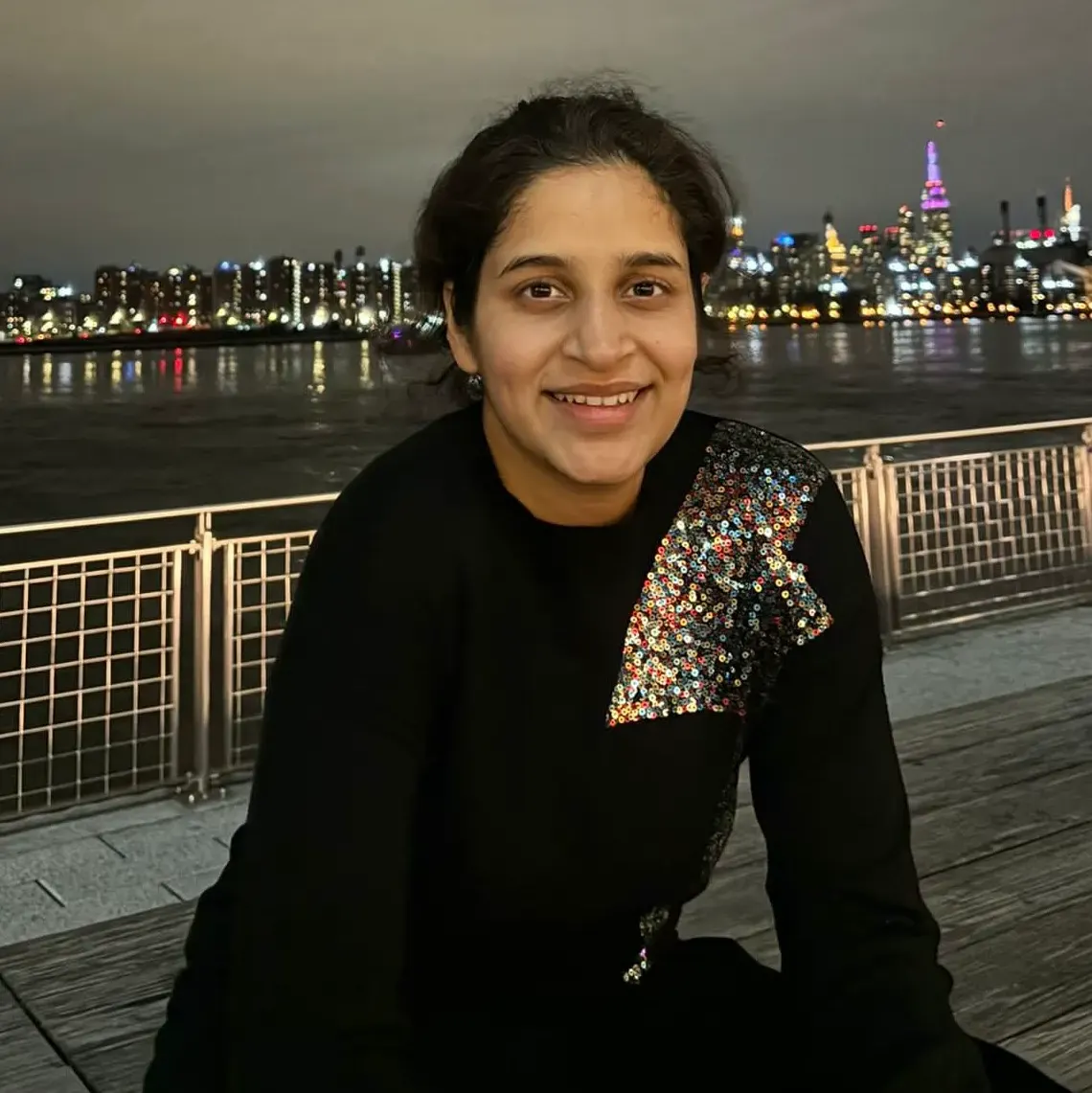
Fatima Azeem has a background in Anthropology, and an MA in Drugs, Health and Society from SUNY Buffalo as a Fulbright scholar. She currently works on harm reduction and HIV. She is based in Islamabad.